All Categories
Featured

Key Ways to Lower Health Costs
As you compare Medicare Supplement insurance coverage plans, consider how much healthcare you require, how often you go to the medical professional and how much you can afford to pay toward your medical expenses yourself. Each Medigap plan has a various level of coverage, so you must discover one that fits your particular requirements.

With Initial Medicare (Components A and B), you're responsible for paying roughly 20% of your healthcare facility bills. Medigap plans spend for some or all of your staying expenses, depending upon your plan letter. The finest Medicare Supplement plan for you depends on your health and budget. Top plans Part A coinsurance Yes Yes Yes Part B coinsurance Yes Yes Yes Blood transfer (3 pints) Yes Yes Yes Part A hospice care Yes Yes Yes Skilled nursing facility Yes Yes Yes Part A deductible Yes Yes Yes Part B deductible Yes Part B excess charges Yes Yes Yes = 100% Other strategies Part A coinsurance Yes Yes Yes Yes Yes Yes Yes Part B coinsurance Yes Yes Yes Yes 50%75% Yes Blood (3 pints) Yes Yes Yes Yes 50%75% Yes Part A hospice care Yes Yes Yes Yes 50%75% Yes Experienced nursing facility Yes Yes 50%75% Yes Part A deductible Yes Yes Yes 50%75%50%Part B deductible Yes Part B excess chargesForeign travel emergency80%80%80% Yes = 100% This can provide you peace of mind because you won't be amazed by high medical costs.
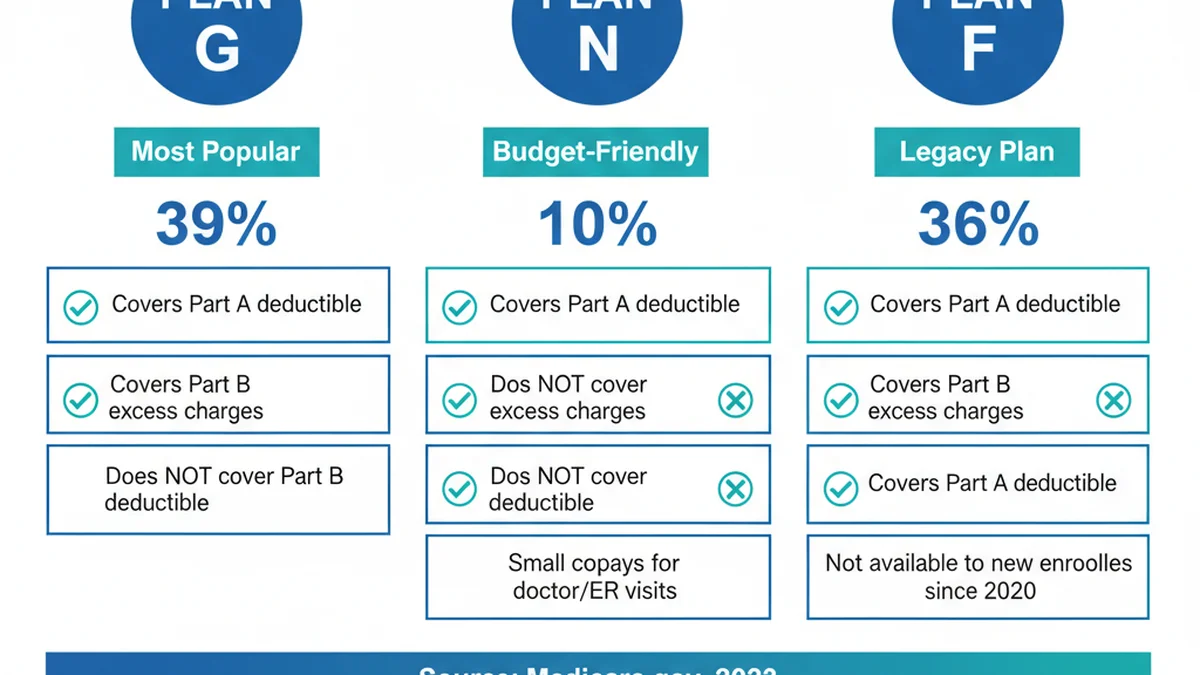
Strategies F and C have much better coverage than Strategy G, however you can't get them if you're a new enrollee. Plus, these strategies might not save you money because of their high monthly rates. Insurance coverage companies can utilize your health history if you get a strategy outside the six months around your 65th birthday, called the "initial registration duration." If you buy a plan with low coverage when you're 65 and later on decide to upgrade to something better, such as Strategy G, business might quote you a high rate or reject you protection completely.
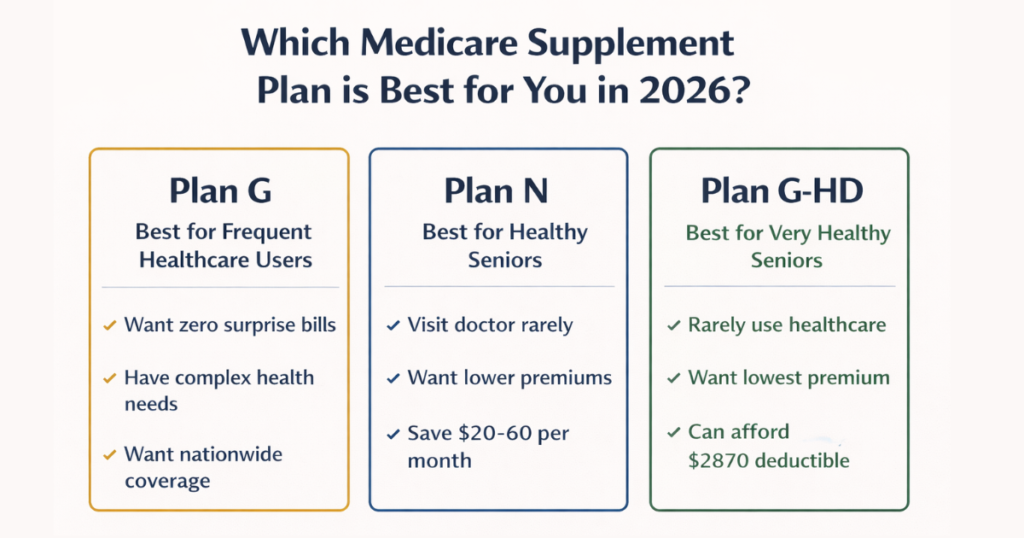
Strategy G has the finest coverage for the majority of senior citizens and others on Medicare. After you pay this, Strategy G will spend for treatment such as doctor visits, blood tests or outpatient medical treatment. Advantages and disadvantages of Plan G Popular strategy that covers nearly all of your health costs Typically a much better value than Strategy F Rates can be pricey, at $180 per month, usually Less expensive strategies may be a better offer if you seldom visit the physician Plan F has the finest coverage of any Medigap plan in general.
Pros and cons of Strategy F Pays for almost all medical expenses High regular monthly rates Not available to new Medicare enrollees Plan N has comparable coverage to Strategy G but expenses less. With Plan N, you have to pay $20 for medical professional sees and $50 for journeys to the emergency situation room.
Insurance in Santa Paula CAFinding Your Top 2026 Medicare Supplement Coverage
Benefits and drawbacks of Strategy N Yes Covers nearly all of the costs you are accountable for with Medicare Yes Plan N costs about $137 monthly, which is $43 monthly less than Strategy G Additional costs you're responsible for paying when you go to the physician might counteract cost savings You might have extra fees if your doctor does not accept the costs set by Medicare High-deductible Strategy G has the cheapest monthly rate of any Medigap policy.
Keep in mind, business can charge greater rates or deny protection since of your health history if you alter Medicare Supplement plans outside the six months around your 65th birthday. That suggests you might be stuck to a high-deductible Plan G when you're older and in even worse health, costing you more in the long run.
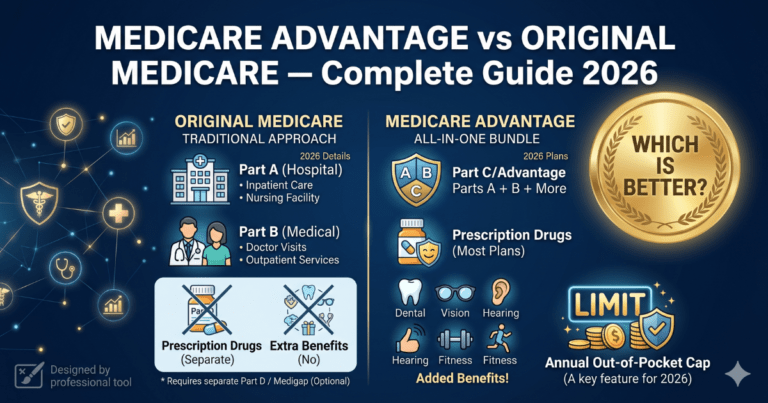
For that, you'll need a separate Medicare Part D strategy. AARP/UnitedHealthcare is the very best Medicare Supplement business overall because it has budget friendly rates and good consumer satisfaction. This indicates that Medicare Supplement Plan G from AARP/UnitedHealthcare offers you the exact same protection as Strategy G from Aetna, Blue Cross or any other business.

Latest Posts
Selecting the Top 2026 Medicare Supplement Coverage

Understanding PPO and HMO Medical Plans
Deciding Between PPO Vs HMO Health Plans